Fixtures & assembly aids
I design tooling to locate, support or hold parts during assembly and repeat operations.
- Locating jigs and part supports
- Clamping and positioning
- Assembly and changeover aids
Kilbeggan, Co. Westmeath
Let’s solve the first problem.
Start with a short conversation about the task that slows you down.
Talk through your task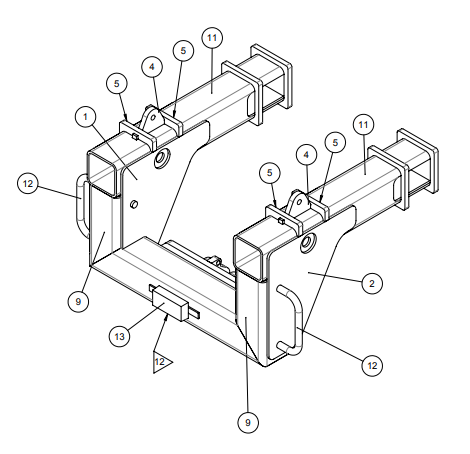
HOW I CAN HELP
I focus on the fixture, movement or repeated step that needs attention, with the scope agreed around your equipment and operators.
I design tooling to locate, support or hold parts during assembly and repeat operations.
I develop a mechanism in CAD and use a focused prototype where the movement or fit needs testing.
I look at sensing, pneumatic motion and controls for a clearly defined production task.
TYPICAL JOBS
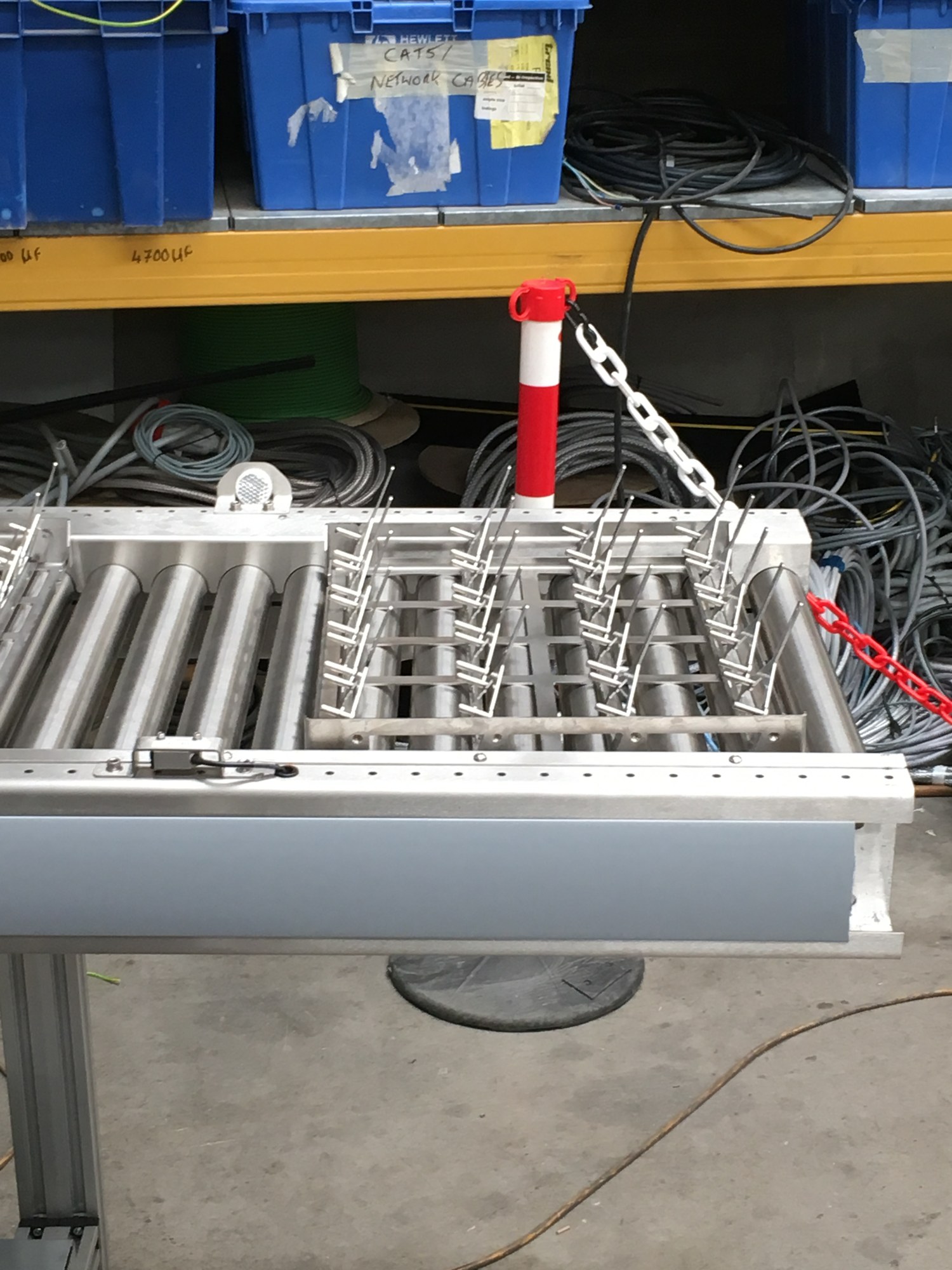
The scenarios below are illustrative examples, not completed projects or promised results. Images show equipment details for context; they do not document the scenarios described.
Illustrative example
Illustrative example
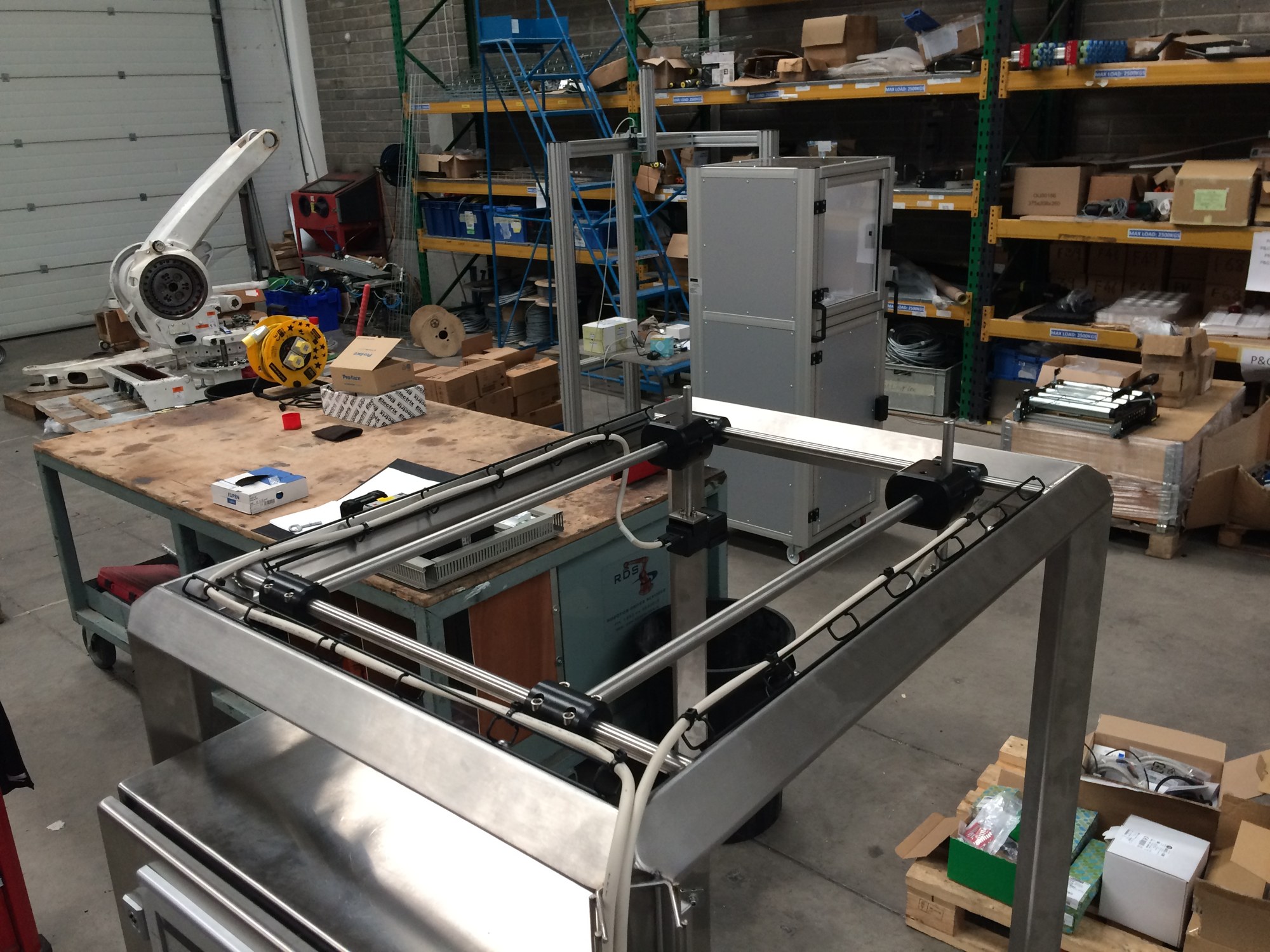
Illustrative example
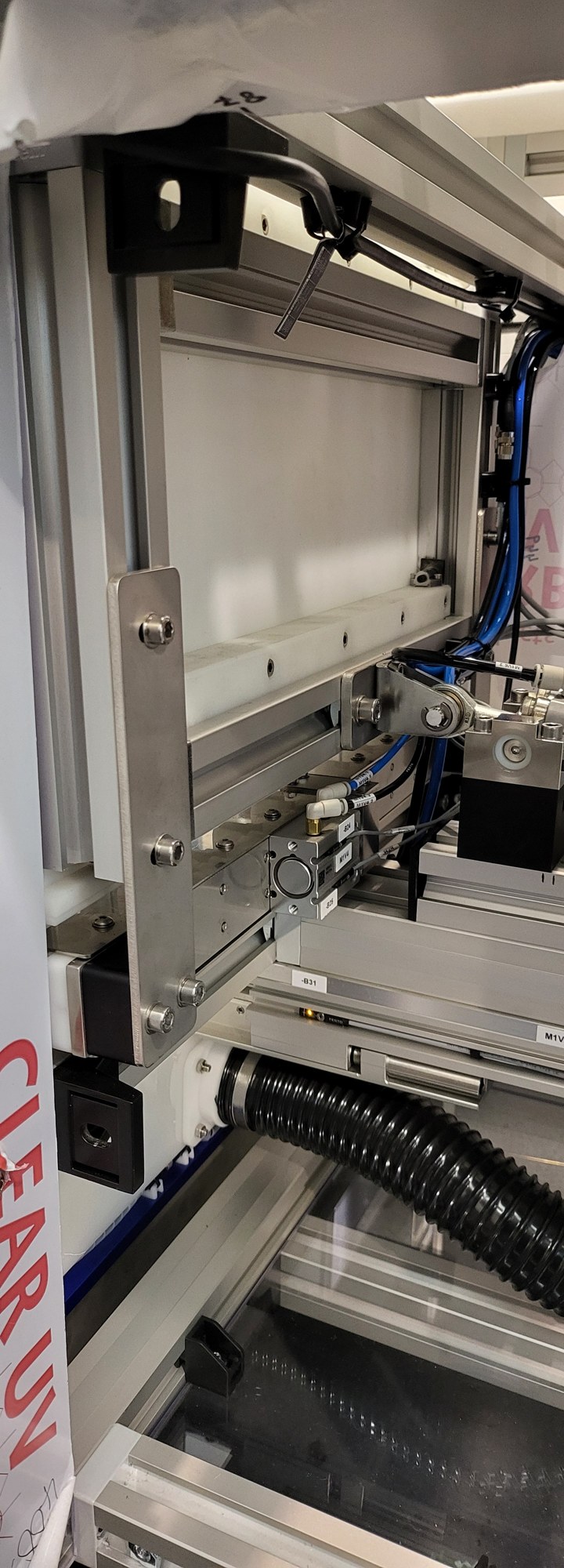
Illustrative outcomes are subject to trials and validation with your parts, equipment and process.
Typical project: [SIZE] / [LEAD TIME] / fixed quote after a short scoping call.
Talk through your taskTHE FIRST STEP
Tell me what happens now, where time is lost and what you want to change. A finished specification is not needed.
I work through the constraints with you. The deliverables, price, timescale and responsibilities are agreed before work starts.
I develop the agreed solution and check it against the requirements. A prototype can test an uncertain part of the idea first.
ABOUT
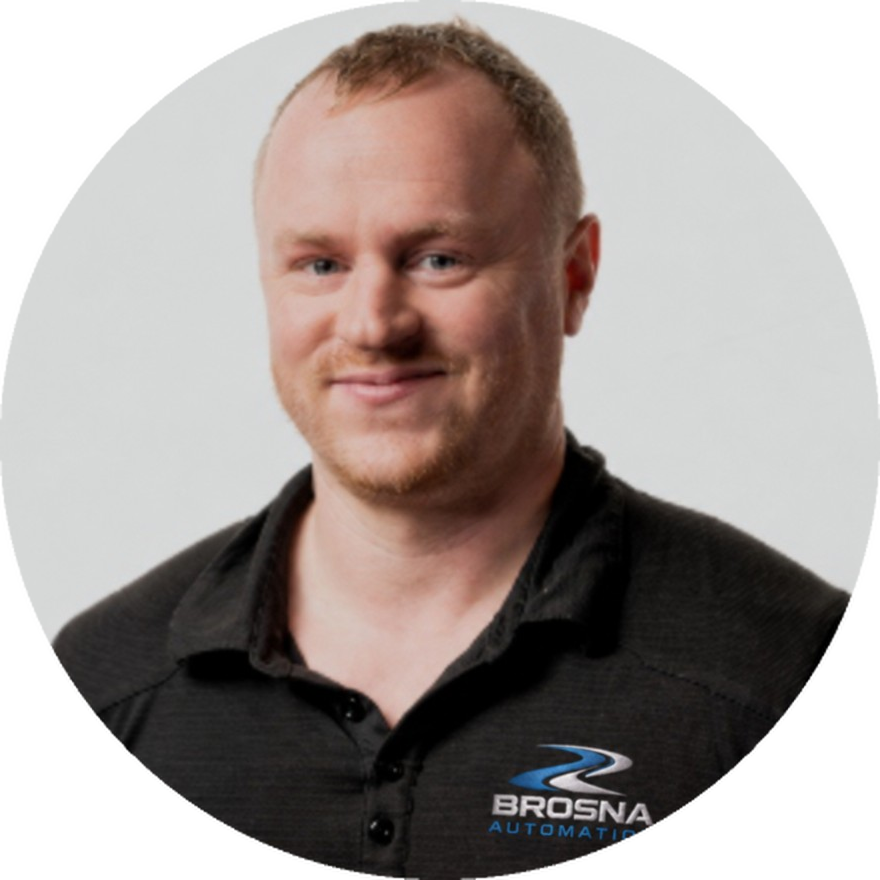
I’m Michael Maloney, a Design & Automation Engineer.
Based in Kilbeggan, Co. Westmeath.
I discuss the constraints and agree the scope before work starts.
[YEARS] years in [SECTORS]
I keep the discussion close to your task: what needs to happen, what gets in the way, and what a useful change would look like.
CONTACT
A short description is enough to start the conversation.
+353 85 830 0240brosnaautomation@gmail.comI reply within 1 business day.
Brosna Automation · Michael Maloney
Based in Kilbeggan, Co. Westmeath